 Image 1 of 1
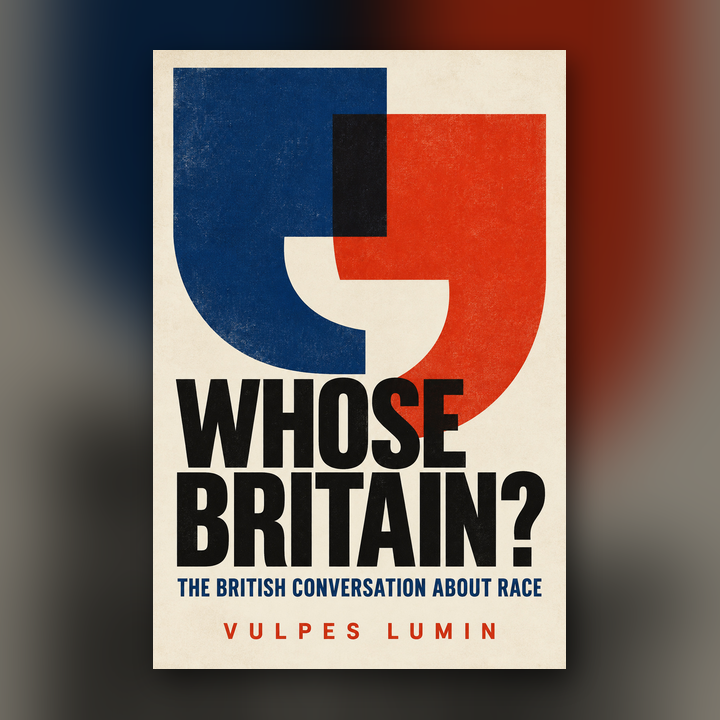
Between 2016 and 2018 a run of British books about race found a wide readership: The Good Immigrant, Black and British, Why I'm No Longer Talking to White People About Race, Brit(ish), Natives and Back to Black. They're very different books, a crowdfunded anthology, a history, a polemic, two memoirs and a work of radical theory, and they disagree with each other about a good deal. This book takes them one at a time, looks at what each actually argues, sets them in the longer British tradition of writing and campaigning about race that they built on, and asks why so many came out together. Its answer looks across the Atlantic, to Black Lives Matter, as much as to Brexit.
Then it turns to the sharpest critical reply, Tomiwa Owolade's This Is Not America, and the question of how much of Britain's race debate came from the United States and how well it fitted. From there it gets into what the figures on schools, policing and jobs really show, the differences between African and Caribbean Britain, Windrush, the statue rows and the slide into culture war. It doesn't take a side. It's more interested in why people with fairly similar lives can describe the same country so differently.