 Image 1 of 1
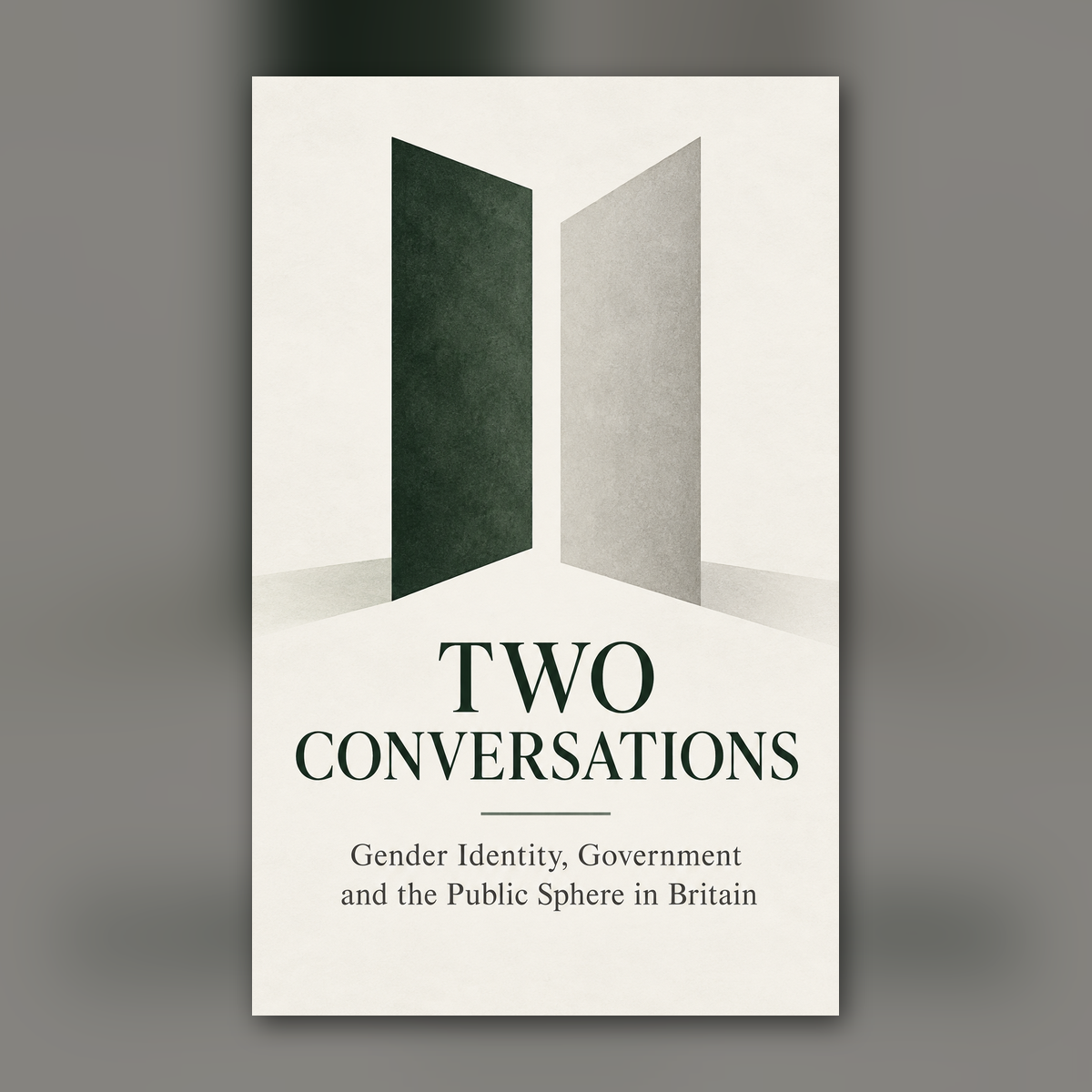
When the Supreme Court ruled in 2025 on what 'sex' means in the Equality Act, it said plainly that it wasn't defining what a woman is. Within hours, almost everyone said it had. This book is about that gap, and it's built on a close reading of more than twenty years of what Parliament actually said.
It tracks when phrases like 'self-ID' and 'women and girls' turned up in the chamber, who used them and how the language hardened, taking in Scotland, the Cass Review, conversion practices and the places where rules get awkward. It doesn't take a side in the dispute itself. Its subject is how the argument gets translated between Westminster and everyone else.
What you get: a ZIP file containing the book as a PDF (223 pages) and an EPUB, so you can read it on a computer, tablet or e-reader.
When the Supreme Court ruled in 2025 on what 'sex' means in the Equality Act, it said plainly that it wasn't defining what a woman is. Within hours, almost everyone said it had. This book is about that gap, and it's built on a close reading of more than twenty years of what Parliament actually said.
It tracks when phrases like 'self-ID' and 'women and girls' turned up in the chamber, who used them and how the language hardened, taking in Scotland, the Cass Review, conversion practices and the places where rules get awkward. It doesn't take a side in the dispute itself. Its subject is how the argument gets translated between Westminster and everyone else.
What you get: a ZIP file containing the book as a PDF (223 pages) and an EPUB, so you can read it on a computer, tablet or e-reader.