 Image 1 of 1
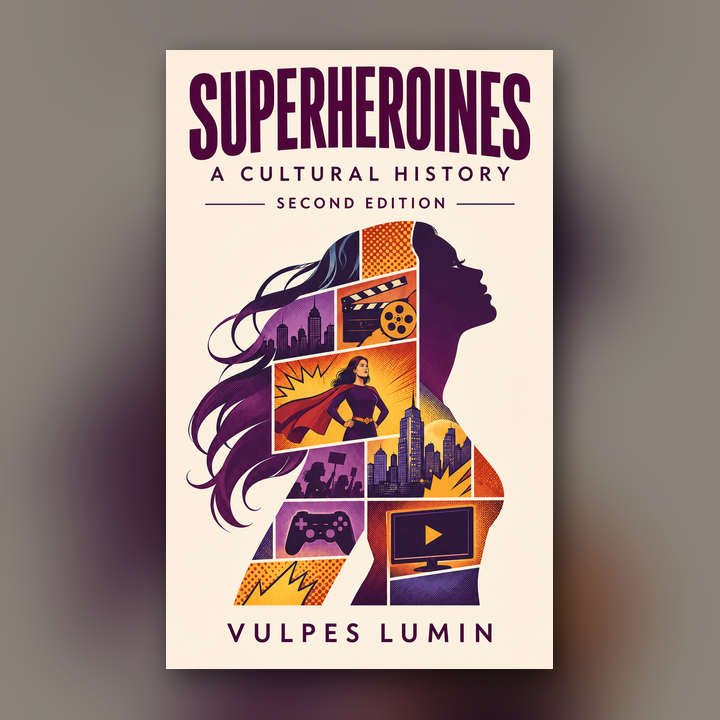
This is the second edition, rewritten from start to finish and a good deal longer. It follows the women of the superhero genre as characters rather than as statistics: Wonder Woman from a psychologist's unusual household in 1941 to the trench in No Man's Land, Supergirl from her orphanage and brown wig to her 2026 film, Natasha Romanoff, who was essential to every film she was in and optional on the shelf, and Yelena Belova, the second Widow, who gets to be funny and sad because less rides on her. Storm, Barbara Gordon, Carol Danvers and Kamala Khan, Harley Quinn and Catwoman all get their due, and so do Sailor Moon and Miraculous.
Along the way it asks how the industry decided women couldn't carry a story and why that belief was so hard to shift, what it means for a character to own a story rather than just appear in it, and why a fantasy about a woman's power keeps getting sold as an attractive body. It also spends time with the women who drew, wrote and edited these characters, and with the fans who cosplayed, wrote and argued them into lives their owners never planned.